
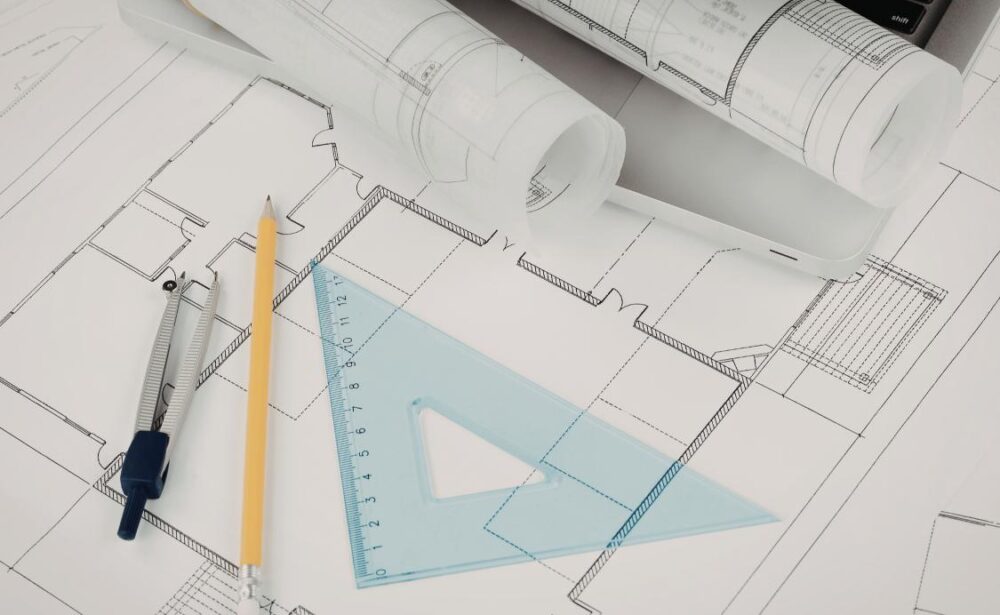
Architectural Planning & Design
Architectural planning and design are essential components of every successful building project. Before a single brick is set, the architectural phase specifies how a structure will function, appear, and perform throughout time. Good architectural planning strikes a balance between aesthetics, utility, safety, and cost efficiency, ensuring that the construction fits both current and future requirements.
Architectural design in modern building involves more than just sketching floor layouts. It entails extensive site investigation, space optimization, regulatory compliance, and interaction with structural and engineering systems. A well-designed plan lowers construction mistakes, saves money, and improves the overall quality of the structure.
What is Architectural Planning and Design?
Architectural planning and design entails envisioning, designing, and documenting a building’s arrangement and look. This procedure turns the client’s needs into comprehensive drawings and specifications that guide construction.
- Space planning and layout design
- Elevation and façade design
- 3D visualisation
- Working drawings
- Coordination with structural and MEP engineers
- Compliance with building regulations
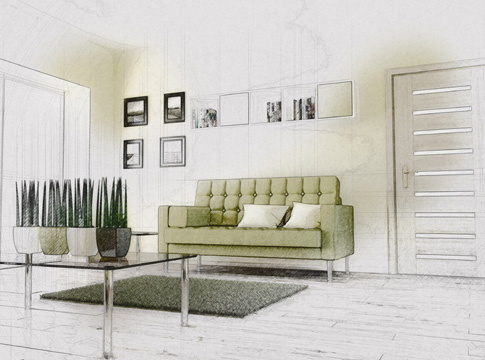

Architectural planning and design impact how people interact with buildings on a daily basis. Architecture impacts lifestyle and efficiency in a variety of ways, including mobility and comfort, visual appeal, and usefulness.
Modern architectural architecture emphasizes efficient planning over extravagant adornment. By optimizing space, light, and airflow, architects design structures that are pleasant, sustainable, and flexible.
Whether it’s a family house or a commercial structure, expert architectural planning ensures that construction begins with clarity and purpose. A well-designed structure not only looks nice, but it also functions better over time, making architecture an important part of successful construction.
onstruction Issues Linked to Poor Planning
Cost Savings Through Efficient Design
Improvement in Energy Efficiency
Frequently asked questions
It ensures proper space usage, cost control, and compliance, avoiding future design changes.
Yes. Most professional services include 3D visualisation for better design understanding.
Yes. Efficient planning minimises material waste, redesigns, and execution errors.
Yes. Approved architectural drawings are mandatory for construction permissions.